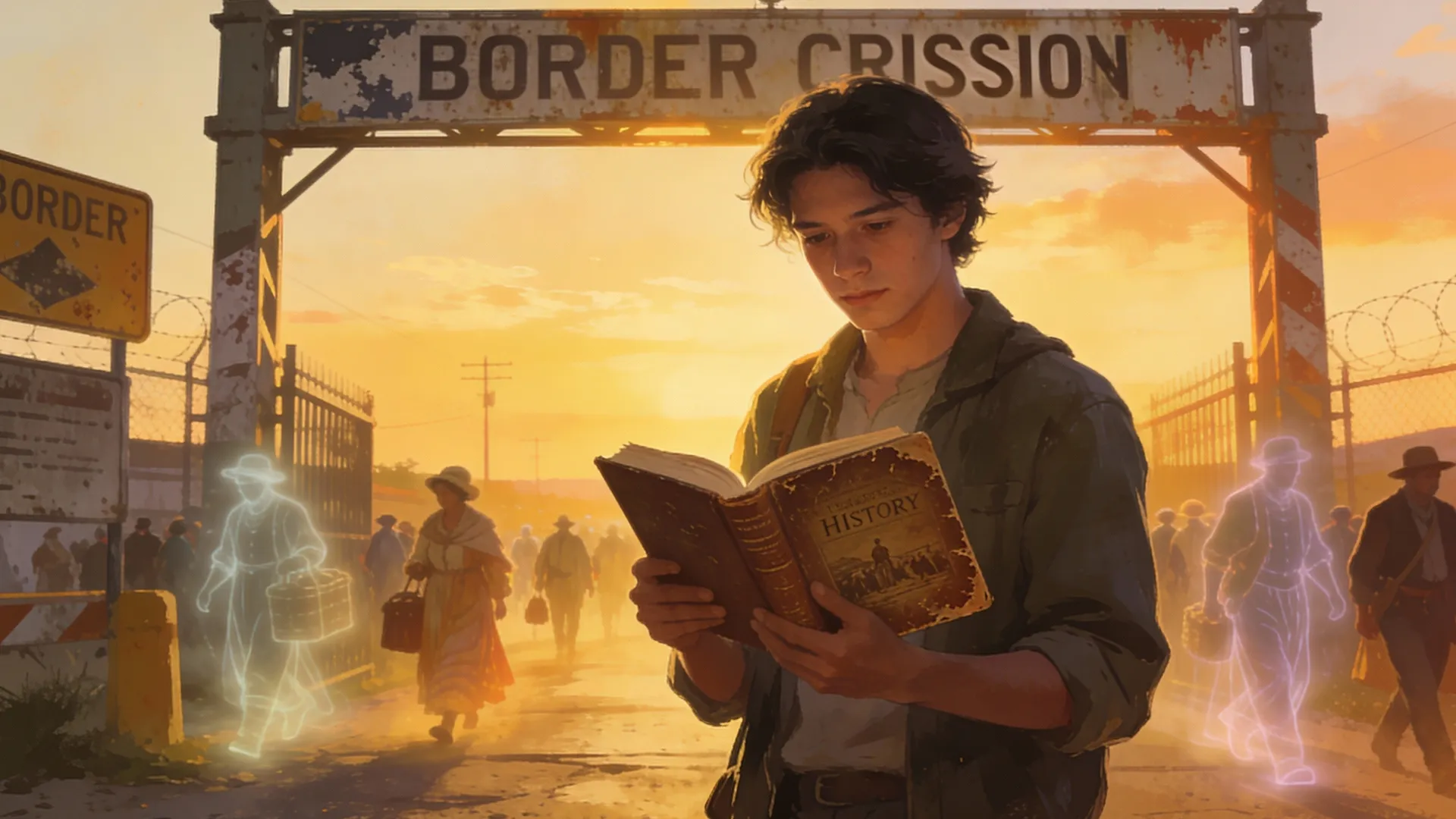
Borders are often drawn on maps, but their true impact is felt within people. Crossing borders, whether by choice or necessity, changes how individuals see the world and themselves. History leaves its mark not only on nations but on personal identity, shaping values, beliefs, and the sense of purpose that guides a life.
Movement Has Always Shaped Human Identity
From the earliest civilizations to modern times, movement has been part of the human story. People have crossed borders for survival, opportunity, freedom, and curiosity. These journeys do more than change geography; they transform perspective.
When someone moves beyond familiar surroundings, assumptions are challenged. New cultures, languages, and traditions invite reflection. Identity expands, becoming layered rather than fixed. What once felt certain becomes open to reinterpretation.
History Lives Within Personal Experience
Historical events are often taught through dates and outcomes, but their real influence is personal. Wars, political shifts, and social change affect families, communities, and individual lives in ways that linger across generations.
Even those who did not directly experience historical moments carry their consequences. Stories passed down, cultural memory, and inherited values shape identity quietly but powerfully. Personal identity becomes a living record of collective history.
Borders Test Belonging and Self-Understanding
Crossing borders can bring both liberation and disorientation. The sense of belonging may feel uncertain as familiar references disappear. Accents, customs, and unspoken rules become markers of difference.
This discomfort can be challenging, but it also encourages self-awareness. People begin to define themselves not solely by place, but by principles. Identity becomes less dependent on location and more rooted in internal values and purpose.
Adversity Clarifies What Matters Most
History is rarely gentle. Political unrest, economic hardship, and cultural displacement often accompany border crossings. These challenges strip away excess and bring clarity.
In difficult circumstances, priorities shift. Survival gives way to reflection, and reflection leads to purpose. What matters becomes clearer: dignity, freedom, connection, and meaning. Adversity shapes identity by forcing alignment between belief and action.
Cultural Exchange Deepens Perspective
Crossing borders introduces people to multiple ways of living and thinking. Exposure to different traditions broadens understanding and reduces the illusion that one worldview is complete.
This exchange fosters empathy. Seeing life through another culture’s lens encourages humility and curiosity. Identity becomes inclusive rather than rigid, shaped by learning rather than fear of difference.
Purpose Emerges Through Continuity and Change
Purpose is often discovered at the intersection of past and present. History provides context, while personal experience gives direction. Crossing borders connects individuals to a broader narrative, allowing them to see their lives as part of something larger.
Purpose grows when people recognize their role within history, not as passive observers, but as contributors. Whether sustaining cultural values, advocating for change, or simply living with integrity, purpose becomes an active expression of identity.
Identity Is Not Lost, It Evolves
A common fear associated with crossing borders is the loss of identity. In reality, identity rarely disappears; it evolves. Traditions may adapt, beliefs may deepen, and values may become clearer.
Identity shaped by history is resilient. It carries memory, experience, and meaning. Rather than being confined by the past, it uses history as a foundation for growth and understanding.
Finding Meaning in the Journey
Crossing borders, both literal and symbolic, invites reflection on where one comes from and where one is going. History does not dictate destiny, but it informs it. Understanding the past allows individuals to choose purpose intentionally.
The journey shapes identity not through destination alone, but through experience. Each challenge, encounter, and reflection adds depth to the self.
Conclusion
The relationship between history, identity, and purpose is deeply human. For readers interested in exploring these themes through a powerful personal narrative, Money Talks and Everything Else Walks: A Journey of Faith, Love and Courage – Part 1 by Pepper Pim offers a compelling reflection on how crossing borders, living through history, and holding onto values can shape a life of meaning and purpose.
Faith has the power to quiet fear and guide us forward, even when the path feels uncertain. If this message resonates with you, grab your copy of Money Talks and Everything Else Walks: A Journey of Faith, Love and Courage – Part 1 by Pepper Pim and start the journey today.